The Learning Cue: Distributed Practice
Small Changes, Big Differences

“I don’t like doing drills.”
“I’m just not disciplined enough to practice.”
If you’ve ever said something like this at the pool hall, you’re not alone. But what if improving your game didn’t require hours of boring, solo exercises? What if just 15 minutes could make a real difference?
Why Spaced Practice Works
Most people who are hesitant to practice assume they need to dedicate long blocks of time to grueling drills. While professional players may log many hours each day, science shows that shorter sessions spread out over time can lead to enduring skill acquisition.
This approach is known as distributed practice or spaced repetition. The basic idea is that that shorter practice sessions spread out over time are more effective for learning than longer ‘massed practice’ sessions. It’s a bit like studying regularly before a test instead of cramming the night before.
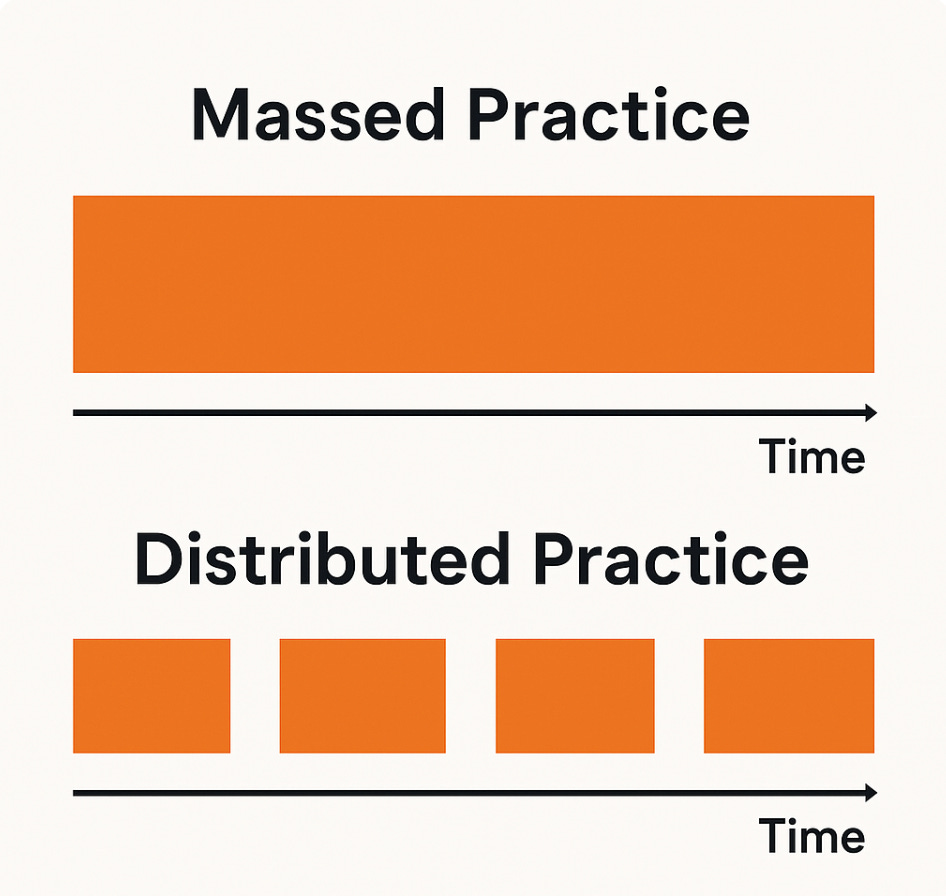
(Image from Chat GPT)
The idea goes back to Hermann Ebbinghaus, a 19th-century German psychologist who studied memory. He discovered that people tend to forget unused information over time—a concept now visualized as the Forgetting Curve. But with brief, spaced reviews, learners can “interrupt forgetting” and retain information far longer.
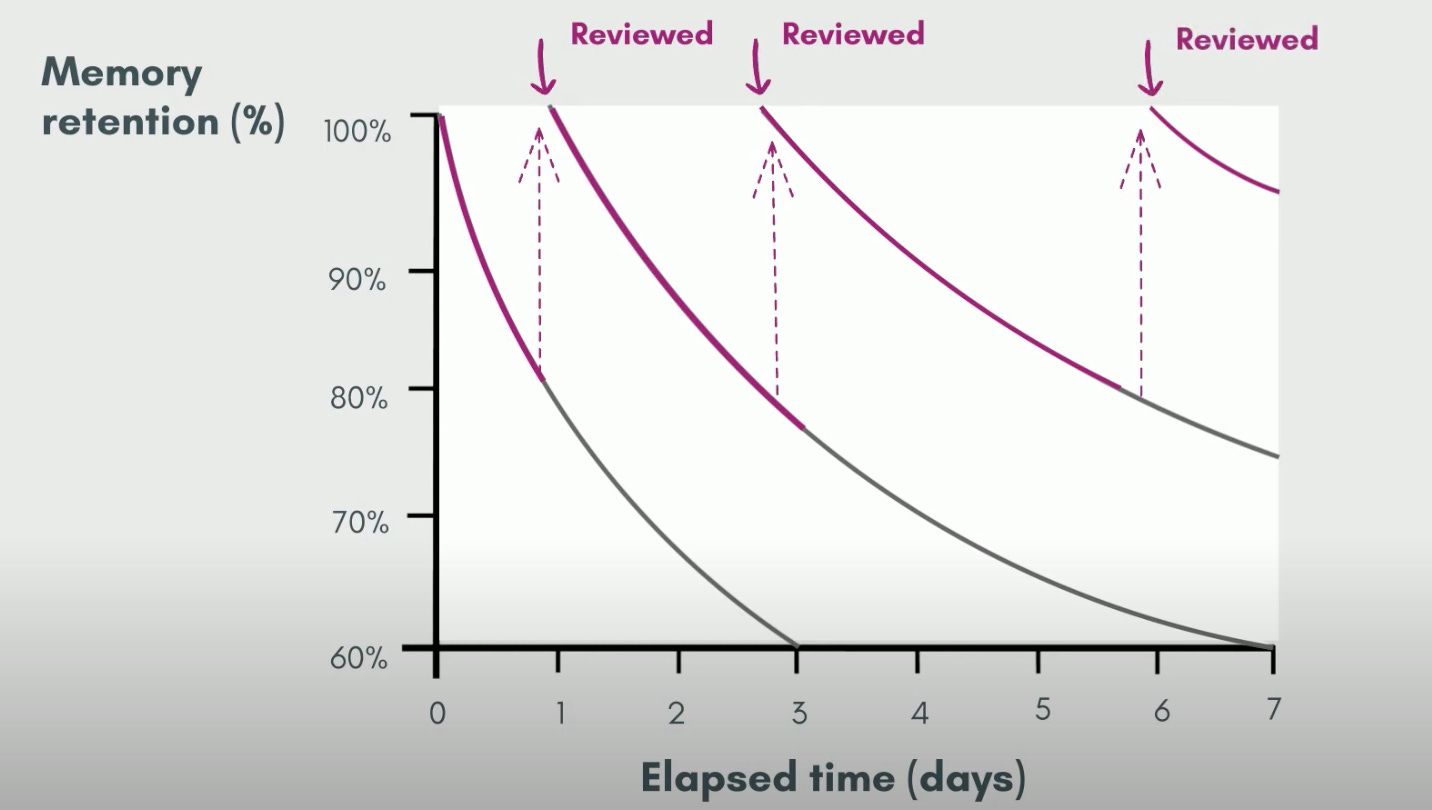
(Image from YouTube Video “The Forgetting Curve” by McGill Teaching and Learning Service)
Memory Consolidation and Sleep
Later research found that distributed practice not only helps memory—it can also boost skill development. For pool players, this means you don’t need to pound away at one drill for an hour. Instead, three 20-minute sessions spaced out over a week may be more effective.
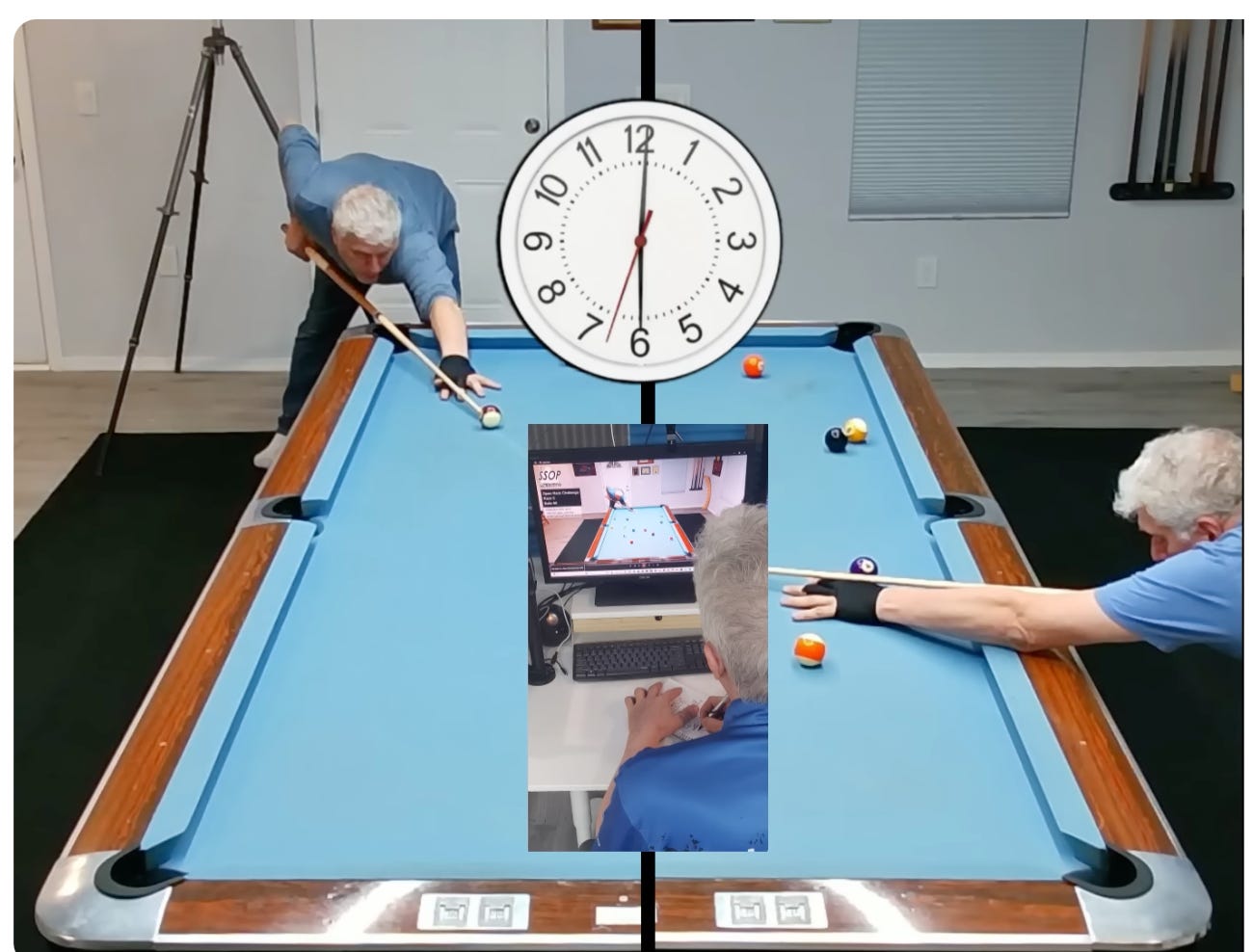
(Image of Bob Keller from the video “What You Need to Know for Effective Pool Practice Sessions”)
Bob Keller, a pool instructor, explains this in detail and shares practical ways to structure practice sessions in his YouTube video above. Similarly, Joe Waldron, writing for Dr. Dave’s website , advises:
“Spending more than 45 minutes tuning your fine motor coordination is a waste of time and can produce the reverse effect.”
By spreading out our practice sessions, we can avoid fatigue and build up our neural pathways. One reason this works? Sleep.
When you sleep, your brain consolidates memories, reinforcing neural pathways related to skills and knowledge. As Matt Walker (UC Berkeley) and Robert Stickgold (Harvard University) wrote:
“After initial training, the human brain continues to learn in the absence of further practice, and that this delayed improvement develops during sleep.”
(Image of Matt Walker from his Ted-Ed Video “Hacking your Memory – with Sleep”
Musicians have long observed this: struggle with a piece at night, then wake up the next morning able to play it better. It works for other activities such as pool, too.
My Practice Routine: Small Steps, Big Gains
In the past year, I’ve improved my stroke, aim, and draw shot by doing regular 15-20 minutes practice sessions like the Mighty X every time I get on the pool. If I have more time, I also focus on specific shots like rail shots and various practice exercises that I have picked up on YouTube. The point is that I keep doing the same exercises as part of my routine, and that has made a huge difference for me (though I still have a long way to go!).
By doing these drills every time I arrived at the table, I created a spaced practice routine.
Building Habits That Stick
To truly benefit from distributed practice, you need routines, and that’s where habit formation comes in.
In his book, Atomic Habits, James Clear summarizes how small changes lead to big results. He explains that habit formation doesn’t depend on motivation but on environment and design of routines.
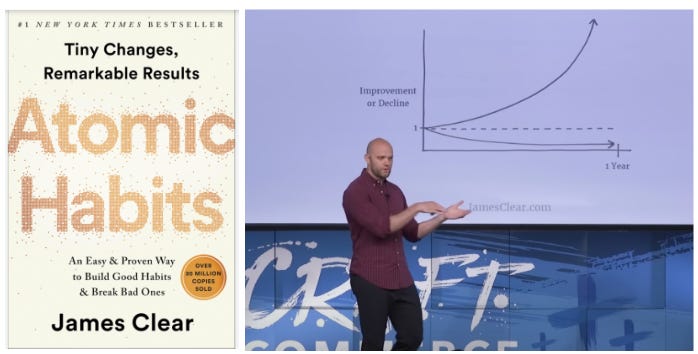
(Image from Atomic Habits: How to Get 1% Better Every Day - James Clear)
In his book, Clear outlines four main feature of habit formation. Here are some ways I have applied these ideas to my pool routine:
Cue yourself (= give yourself triggers): I always start my table time with the Mighty X drill.
Craving (= make it attractive): I remind myself how it helps straighten my stroke and helps me get ready to play. Now, I feel odd if I don’t do it!
Response (= make it easy/reduce friction): I keep paper reinforcement stickers in my cue case and photos of drills in my phone notes ( to make it easy to do exercises if I have more time to practice)
Reward (= make it satisfying with a sense of accomplishment):
I track progress by logging how many shots I can make in a row or how consistently I complete a practice exercise.
This system helps me stay consistent without needing to rely on willpower. That’s really Clear’s main point – by planning a bit and setting ourselves up to practice, it becomes natural and automatic. The habit then leads to distributed practice!
Summing It Up
You don’t need marathon practice sessions to improve. By setting aside a little bit of time to work on a drill like the Mighty X every time you get on the table, you can see improvement. The key is repeating that practice exercise and doing it regularly through a habit you have developed. Practice doesn’t have to be ‘all or nothing’ where you drill for hours or skip it entirely and just play games. Instead, make small changes that align with how your brain naturally learns:
Use distributed practice to improve skill retention.
Let sleep work in your favor by spacing sessions across days.
Create routines using James Clear’s habit model to make practice automatic.
These ideas aren’t just for pool. They apply to any skill—from music to math to sports.
How about you?
👍 If you enjoyed this post, give it a like and as always, I’d love to hear your thoughts in the comments!
Have you used distributed practice in pool or another skill?
Have you ever noticed improvement after sleeping on it?
What are ways you have applied James Clear’s ideas of habit formation?
Please share this post with anyone you think might enjoy it. In the next post, we’ll look at how breaking apart practice exercises and reassembling them can supercharge your learning. Stay tuned!
References
Clear, J. (2018). Atomic Habits: An Easy & Proven Way to Build Good Habits & Break Bad Ones. Avery.
Clear, J (2019) Atomic Habits: How to Get 1% Better Every Day. [YouTube]
Keller, B. (2025). What You Need to Know for Effective Pool Practice Sessions [YouTube]. Shortstop on Pool.
McGill Teaching and Learning Services. (n.d.). The Forgetting Curve [YouTube].
Waldron, J. (2019). Practice Methods. Dr. Dave’s Pool Info.
Walker, M.Ted-Ed. (n.d.). Hacking Your Memory with Sleep [YouTube].
Walker, M & Stickgold, R. (2005). It’s Practice, with Sleep, that Makes Perfect. Clinics in Sports Medicine, 24(2), 301–317.
Thanks for demystifying practice. Expecting to have long blocks of time is one of my main barriers to practice these days.